Thuluth, Naskh and Kufic: Arabic Calligraphy Styles
By Mir Hyder Abidi ·
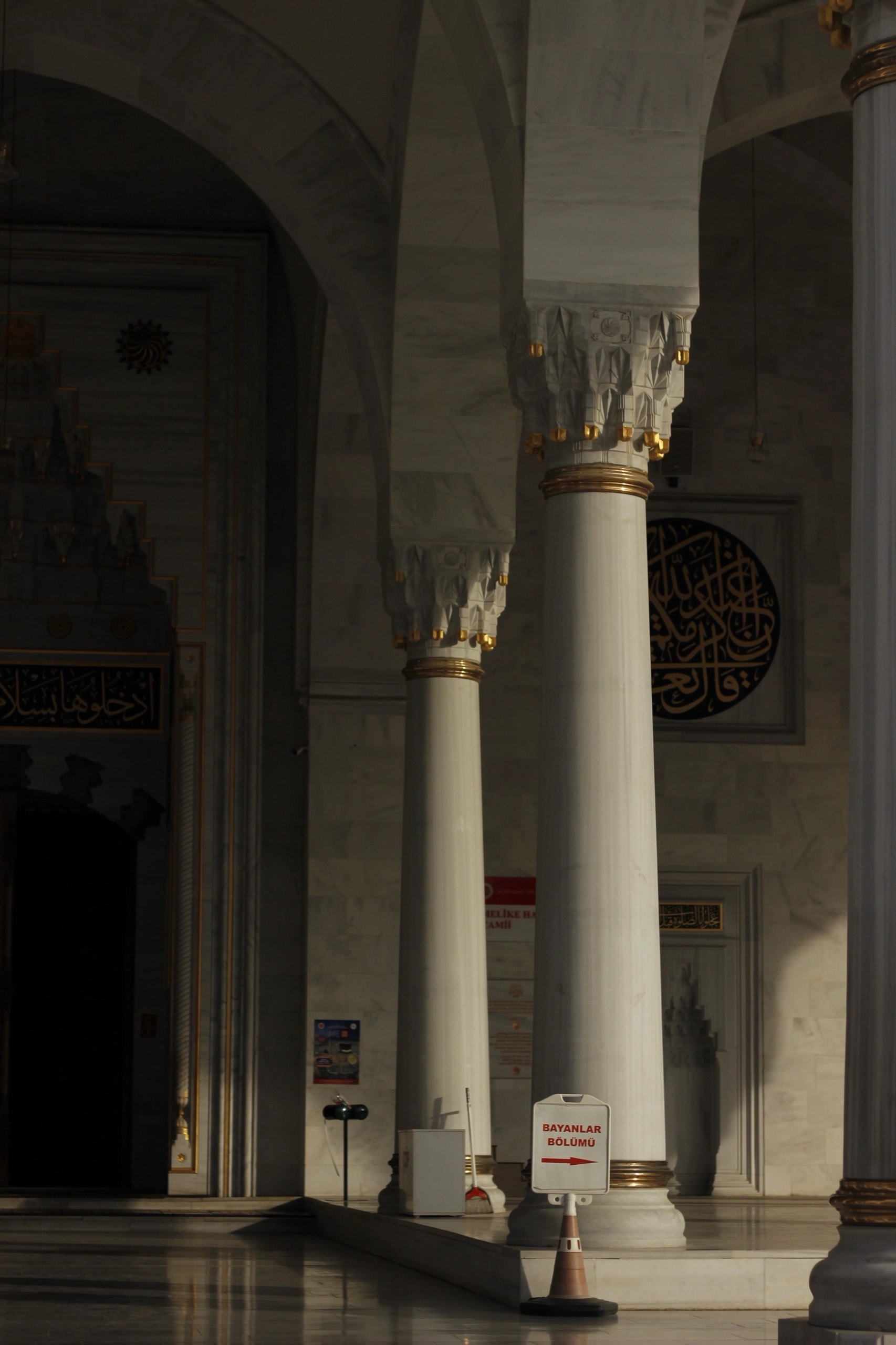
Thuluth, Naskh and Kufic are three of the main styles of Arabic calligraphy. Kufic is angular and blocky, one of the oldest styles, often used for early Qur'an copies and building inscriptions. Naskh is clear, rounded and easy to read, so it is the common style for books and printed text. Thuluth is large and flowing, with tall, curved strokes, and it is often used for headings, mosque inscriptions and domes.
Why There Are Many Styles
Scribes developed different styles for different jobs. Some styles were for copying text quickly and clearly. Others were for decoration, where the letters could be large, stretched or arranged in a pattern.
The three styles below are the ones you are most likely to see. Many calligraphers learned all three and used each where it fit best. Several styles can appear on one building, from a large inscription at the top to smaller lines below.
Kufic: Angular and Early
Kufic is usually linked to the city of Kufa, an early city in what is now Iraq. Its letters are square, straight and angular, with horizontal lines that give the script a firm, steady look.
Kufic was used for some of the earliest Qur'an copies. Later, artists used it in geometric patterns on buildings and objects, where its square shapes fit well. Kufic is still widely recognized today, often as a decorative border or a title on a certificate. Its strong lines read clearly even at a distance, which is why designers still use it.
Naskh: Clear and Everyday
Naskh is the most widely used style for everyday writing. Its letters are rounded and open, which makes it easy to read at a glance. It also suits small objects, where Kufic or Thuluth could become hard to read. On a sticker or a small card, Naskh keeps its shape at small sizes, so the words stay readable.
Many printed copies of the Qur'an use styles related to Naskh, because clear letters help readers follow the text for long periods. It is often the best choice for a family who wants the words to be read easily. Many people learn to read Arabic from text in this style, so it may be the most familiar choice for a child's first book.
Thuluth: Grand and Flowing
Thuluth has tall letters with long, curved strokes. It looks grand and dramatic, and it is often used for headings, inscriptions on mosques and decoration on domes and arches.
Because the letters are so large and stretched, Thuluth works best when it is viewed from a distance or framed as a single, strong piece. A Thuluth piece needs room, so give it a wall with space around it and choose a frame that does not compete with its curves.
Thuluth also carries well in long inscriptions, because its strokes repeat in a rhythm that the eye follows along a band. A calligrapher often plans the spacing of the whole band before writing the first word.
How to Tell Them Apart
Look at the shape of the letters first. Comparing two samples side by side makes the differences easy to see:
- Kufic: square, straight and angular
- Naskh: round, open and easy to read
- Thuluth: tall, curved and stretched
Blending Styles
Many modern calligraphers blend styles, using a bold Thuluth heading above a plain Naskh line. Blending works best when one style leads and the others support it, so the piece still reads at a glance.
Which Style Suits a Home
For a child's room or a family space, Naskh is the easiest to read, including for children learning the letters and for older readers who prefer clear text.
For a wall or door where a piece will be seen from across a room, Thuluth makes a strong statement. Kufic suits a modern room with geometric lines. When in doubt, choose the style whose words are easiest for the people in the room to read. A piece that is read and understood is loved more often.
When you buy a piece, check how the style is described. Many sellers name it in the listing. If the style is not named, ask, because it changes how easy the words are to read and how the piece looks on your wall.
Questions
- What are the main styles of Arabic calligraphy?
- Kufic, Naskh and Thuluth are three of the most common styles. Kufic is angular, Naskh is clear and rounded, and Thuluth is large and flowing.
- What is Kufic calligraphy?
- Kufic is one of the oldest Arabic calligraphy styles. It has square, angular letters and was used for early Qur'an copies and building inscriptions.
- Which Arabic calligraphy style is easiest to read?
- Naskh is generally the easiest to read. Its rounded, open letters are the style most often used for books and printed text.